
While every journey is different, one thing is consistent: implementing PTHV isn’t a single event. Training is an important milestone, but it’s one part of a broader journey to plan, launch, grow, and sustain a thriving home visit practice.
Over the years, we’ve had the privilege of learning alongside our implementing partners. Through their questions, successes, challenges, and innovations, we’ve gained a deeper understanding of what helps implementation take root and flourish in real-world settings. As our network has grown, we’ve noticed that many partners encounter similar opportunities and challenges at different points in their implementation journey. Together, we developed practical resources to navigate those moments with greater clarity and confidence.
At PTHV, we believe home visits are more than a program or intervention. They are the foundational practice that makes our relational philosophy of shared power and authentic partnership visible, learnable, and transferable. Their purpose is to improve the conditions and outcomes of students, families, educators, and communities—together.
That philosophy continues to guide everything we do, including how we think about implementation. We know that strong implementation requires more than great training. It also depends on thoughtful planning, supportive leadership, opportunities for reflection, and meaningful ways to learn and improve over time.
We are pleased to introduce three new implementation supports that extend the same relational approach that has always been at the heart of our work. Together, they’re designed to support partners at different stages of implementation, strengthen the connection between training and practice, increase implementation fidelity, deepen local leadership capacity, and expand access to relational and reflective practice.
New Implementation Supports
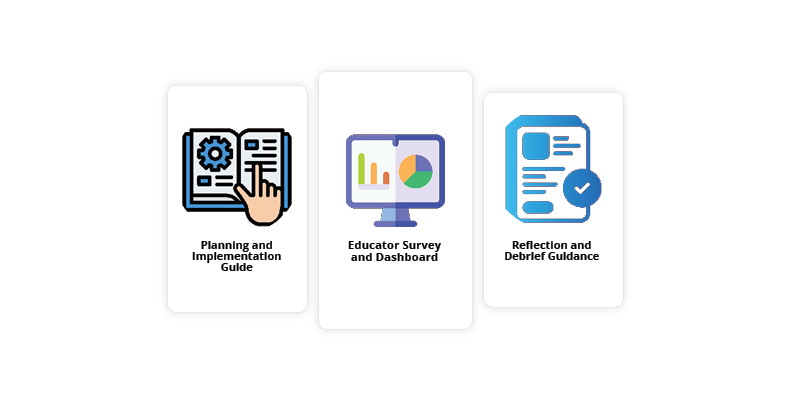
Planning and Implementation Guide
A practical roadmap for planning, launching, and strengthening local PTHV practice. The guide includes tools, templates, and implementation resources that support partners from early planning through the first two years of implementation, helping local teams accelerate system-wide learning and adoption.
Educator Survey and Dashboard
Strong implementation grows through continuous learning. Aligned with PTHV’s Theory of Change and Measurement Framework, this annual survey and data dashboard provide meaningful insights into educator experiences, implementation progress, and impact over time. Partners can use their individualized results to guide continuous improvement, strengthen local storytelling, and better understand how relational practice is taking shape in their community.
Reflection and Debrief Guidance
Some of the most meaningful learning happens after a home visit. This curated collection of resources helps local leaders guide structured reflection and debrief conversations that deepen educator learning, reinforce relational practice, and build the local capacity to sustain reflective learning over time.
Because every community’s PTHV implementation journey is different, we’ve chosen to make these implementation supports available a la carte when partners are planning their PTHV training. Partners can select the resources that best align with their goals, readiness, and local capacity.
These implementation supports are the result of years of learning alongside our partners. They reflect our ongoing commitment to helping communities build, strengthen, and sustain relational practices, including home visits using the PTHV model, so that more students, families, and educators experience the benefits of authentic partnership.
Ready to learn more?
Visit our Training Services and Supports webpage to explore each implementation support in more detail. If you’d like to talk through your implementation goals or discuss how these resources can support your work, we’d love to connect. Together, we can identify the supports that best fit your community’s journey.
 Rachel Brice is Program Director of Parent Teacher Home Visits.
